
PROGRAMMES
Where Structured Training Becomes Measurable Performance Growth
Praxis Dramatic Arts Academy provides a structured dramatic arts programme for learners in Grades 4–9, designed to develop performance competence through consistent, guided training.
The programme combines explicit instruction, guided practice, constructive feedback, and staged performance experiences to support steady skill development over time.
Learners are not positioned as passive participants. They are guided through a disciplined learning cycle of preparation, performance, reflection, and refinement—building both technical performance ability and practical confidence.

Our Progressive Training Levels
Praxis Dramatic Arts Academy provides a structured dramatic arts programme for learners in Grades 4–9, designed to develop performance competence through consistent, guided training.
The programme combines explicit instruction, guided practice, constructive feedback, and staged performance experiences to support steady skill development over time.
Learners are not positioned as passive participants. They are guided through a disciplined learning cycle of preparation, performance, reflection, and refinement—building both technical performance ability and practical confidence.

The Praxis Developmental Journey

Train
Develop knowledge and performance skills through structured instruction, guided rehearsal, and constructive feedback.

Perform
Apply developing skills through classroom performances, internal assessments, examinations, and Eisteddfods where appropriate.

Transform
Confidence, communication, artistic maturity, and independence develop through sustained practice and demonstrated competence.
This Philosophy remains consistent throughout every level of the Academy, ensuring that each stage builds intentionally upon the one before it and supports continuous, measurable growth over time.
How Training Builds Performance Competence Week By Week
Accross a typical month, learners will engage in:
One Foundation Session

Learners develop core understanding of performance principles, expressive communication and dramatic interpretation.

Three Performance Training Sessions
Learners apply these principles through structured performance work, rehearsal excercises and guided refinement.
During class, learners work within a repeatable learning Cycle:
-
Perform regularly in front of others
-
Receive direct, constructive feedback
-
Apply corrections immediately
-
Develop through observation and guided practice
-
Build skill through repetition over time

Performance development is not treated as passsive exposure. It is built through consistent preparation, active participation, structured correction and repetition.
Learners choose from curated material aligned with examinations and Eisteddfod standards and develop it through sustained rehearsal, coaching and feedback.
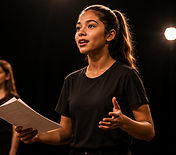
From Selection to Performance
Each lesson follows a clear structure that supports focused practice, guided learning and individual development.

What does a typical class look like

How Progress is assessed and developed
Learners are assessed through internal examinations and are encouraged to participate in optional external performance oppertunities that build experience and confidence.

Beyond performance skills
Drama training builds communication, performance skills, Healthy habits and confidence that support growth on and off the stage.
Beyond the Classroom
Communication
Performance skills
Habits for Growth
Confidence through Competence
Clear expression, vocal confidence, audience awareness, and effective presentation.
Interpretation, stagecraft, expressive delivery, and confident public performance.
Preparation, perseverance, collaboration, discipline, and consistent improvement.
Confidence that develops through genuine ability, meaningful achievement, and repeated success rather than encouragement alone.